4. Employ Natural Predators: Nature has its own pest control agents in the form of beneficial insects and animals. Encourage the presence of natural predators like ladybugs, praying mantises, and birds in your garden to help keep pest populations in check. You can also attract these allies by providing habitats such as birdhouses, bug hotels, and native plantings.
5. Maintain Cleanliness and Hygiene: A clean and tidy home is less appealing to pests seeking food, water, and shelter. Practice good hygiene habits such as regularly sweeping, vacuuming, and wiping down surfaces to eliminate crumbs and spills that may attract pests. Store food in airtight containers, take out the trash regularly, and promptly fix any leaks or standing water to deprive pests of their basic needs.
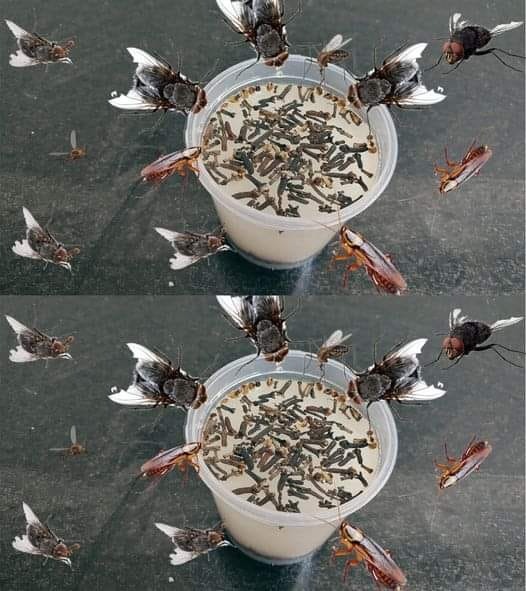
6. Use Natural Traps and Deterrents: Instead of resorting to chemical-laden traps, opt for natural alternatives that capture or repel pests without harming them or the environment. Sticky traps, homemade vinegar-based sprays, and citrus peels are effective at trapping or deterring pests like fruit flies, ants, and spiders.
7. Practice Companion Planting: Certain plants have natural properties that repel pests or attract beneficial insects. Embrace companion planting by interspersing pest-repelling plants with your garden vegetables and flowers. For example, marigolds, chrysanthemums, and nasturtiums are known for their pest-repellent qualities, while attracting pollinators to your garden.
By embracing these natural solutions, you can create a pest-free environment that promotes harmony between humans and nature. With a bit of creativity and a commitment to sustainable practices, you can bid farewell to pests while nurturing a healthier, greener planet for generations to come